
ISO 45001 OCCUPATIONAL HEALTH & SAFETY MANAGEMENT SYSTEM (OHSMS)
In today’s competitive business environment, a company’s most valuable asset is its people. Ensuring their health, safety, and well-being is not only a legal obligation but also a critical component of sustainable organizational success. ISO 45001 Certification is the internationally recognized standard for Occupational Health and Safety (OH&S) Management Systems, offering a robust framework for organizations to proactively enhance employee safety, reduce workplace risks, and foster safer working conditions. For GIC International, achieving this certification reflects a strong commitment to your workforce, boosting organizational resilience, employee morale, and long-term profitability.
“Below is more information about ISO 45001, a comprehensive OH&S management standard. To complete the certification process and implement it successfully, you can obtain ISO 45001 Certification through GIC International, helping your organization achieve its workplace safety goals. Contact us today.”
Understanding ISO 45001 Certification
ISO 45001 Certification provides a strategic framework for organizations to develop and implement a systematic approach to managing occupational health and safety (OH&S) risks. Developed by the International Organization for Standardization (ISO), the standard defines the requirements for an OH&S Management System and emphasizes proactive risk management rather than reactive measures. Organizations adopting ISO 45001 can identify potential hazards, assess risks, and implement effective controls to prevent work-related injuries, illnesses, and fatalities.
ISO 45001 replaces OHSAS 18001 and is designed to integrate seamlessly with other management system standards, including ISO 9001 (Quality) and ISO 14001 (Environmental Management). Its primary goal is to provide organizations with a clear framework to meet their legal and ethical obligations, creating a safer workplace and demonstrating a strong culture of safety to employees, customers, and stakeholders.
Key Elements of ISO 45001
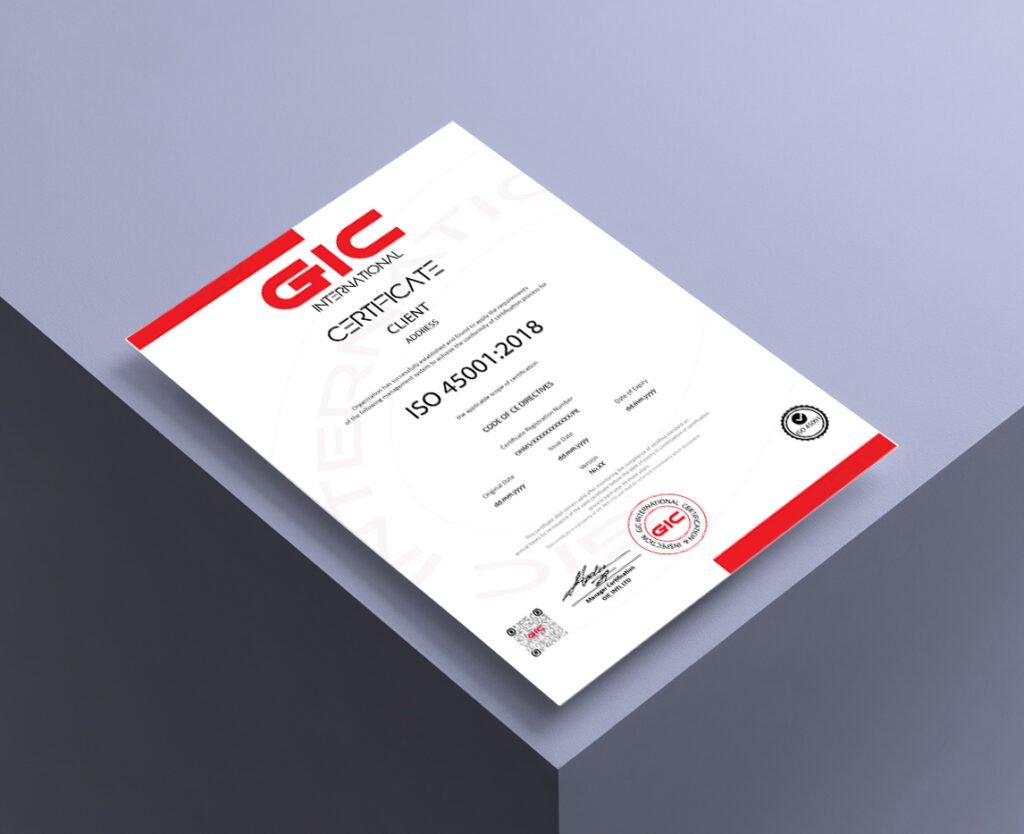
ISO 45001 Certification is structured around several key elements that form the foundation of an effective Occupational Health and Safety (OH&S) Management System:
-
Leadership and Worker Participation: Top management must demonstrate leadership and commitment by integrating OH&S into the overall business strategy. The standard also emphasizes active worker participation at all levels, ensuring that those directly exposed to risks have a voice in managing them.
-
Planning: Organizations must identify hazards, assess risks and opportunities, and determine legal and other requirements. Based on this assessment, they must set measurable OH&S objectives and develop plans to achieve them.
-
Support and Operation: This involves providing the necessary resources, competence, awareness, and communication to support the OH&S system. Organizations must implement operational controls to manage identified risks and prepare for emergency situations.
-
Performance Evaluation: ISO 45001 requires organizations to monitor, measure, analyze, and evaluate OH&S performance. This includes internal audits and periodic management reviews to ensure the system remains effective and aligned with the organization’s strategic direction.
-
Improvement: A core requirement is to take action to address incidents, nonconformities, and opportunities for improvement, fostering a culture of continuous enhancement of the OH&S system.
Benefits of ISO 45001
- Reduces Workplace Risks and Incidents
- ISO 45001 Certification enables organizations to systematically identify and control workplace hazards, preventing accidents and occupational illnesses. This leads to a significant reduction in downtime and lowers costs associated with workplace incidents.
- Enhances Reputation and Stakeholder Confidence
- Achieving ISO 45001 compliance demonstrates a strong commitment to employee welfare, building trust with clients, investors, and the community. It also provides a competitive advantage when bidding for tenders and strategic partnerships.
- Ensures Legal and Regulatory Compliance
- The standard helps organizations identify and understand their legal obligations, reducing the risk of litigation, fines, and reputational damage due to non-compliance with occupational health and safety regulations.
- Improves Morale and Productivity
- Creating a safer workplace enhances employee morale, reduces absenteeism, and increases overall productivity. By actively involving workers in safety decisions, organizations foster a positive safety culture that benefits both staff and operations.
Challenges in Implementing ISO 45001
While ISO 45001 Certification offers significant benefits, its implementation can present challenges for organizations. A common hurdle is cultural resistance, where employees may be accustomed to existing practices. Overcoming this requires strong leadership, effective change management, and comprehensive training to foster a proactive workplace safety culture.
Another challenge is the initial investment of time and resources needed to establish the system. ISO 45001 is not a one-time project; it requires ongoing commitment to maintain and continuously improve the OH&S Management System. Organizations must be prepared to allocate sufficient resources for audits, training, and system updates to ensure long-term effectiveness and compliance.
ISO 45001 and Continuous Improvement
Continuous improvement is a core principle of ISO 45001 Certification. Organizations that adopt this principle can consistently enhance their OH&S performance and adapt to changes in workplace conditions or legislation. The standard employs the Plan-Do-Check-Act (PDCA) cycle as a foundational framework for ongoing, incremental improvements in safety performance, ensuring that the OH&S Management System remains dynamic, effective, and continuously aligned with organizational goals.
Real-World Applications of ISO 45001
ISO 45001 Certification is applicable to all organizations, regardless of size or industry. For instance, construction and manufacturing companies can use it to manage high-risk activities and reduce workplace accidents, while office-based and service industries can focus on ergonomics, psychosocial risks, and employee well-being to create a healthier work environment.
Small and medium-sized enterprises (SMEs) can particularly benefit from the structured framework of ISO 45001. The standard is scalable and can be tailored to specific operations, helping organizations build a robust safety culture, protect their most valuable asset—their people—and become more attractive to larger clients who require certified suppliers.
ISO 45001 is more than just a certificate; it represents a commitment to cultivating a culture of safety and care. By implementing this standard with GIC International, organizations can protect their workforce, enhance operational resilience, and build a reputation as a responsible and sustainable business. Although the implementation journey requires dedication, the return on investment—measured in employee safety, reduced costs, and enhanced credibility—is substantial. Whether you are a large industrial enterprise or a growing SME, adopting ISO 45001 Certification is a strategic decision that ensures a safer, more successful future.