
ISO 20000-1 IT Service Management System
In today’s digital-driven business environment, organizations rely on dependable and efficient IT services to fuel growth and maintain a competitive advantage. ISO 20000-1 is the internationally recognized standard for a Service Management System (SMS), offering a structured framework for managing IT services effectively and consistently meeting customer and business requirements. By adopting this standard, companies can showcase their dedication to high-quality service delivery, boosting customer satisfaction and fostering long-term trust.
“Learn more about ISO 20000-1 – the leading IT Service Management standard below. To transform your organizational goals into reality and obtain certification, contact us.”
Understanding ISO 20000-1
ISO 20000-1 Certification offers a comprehensive framework for organizations to establish, implement, maintain, and continually enhance a Service Management System (SMS). As the first formal standard in the IT Service Management (ITSM) field, it defines specific requirements for an SMS, focusing on a structured and systematic approach to delivering managed IT services. Organizations adopting ISO 20000-1 can standardize service delivery processes, boost operational efficiency, and consistently meet service level agreements (SLAs).
Part of the ISO/IEC 20000 family of standards, ISO 20000-1’s primary goal is to help organizations deliver managed services that fulfill both customer expectations and regulatory requirements. Implementing this standard enables companies to achieve measurable improvements in service quality, reliability, and alignment with overall business objectives.
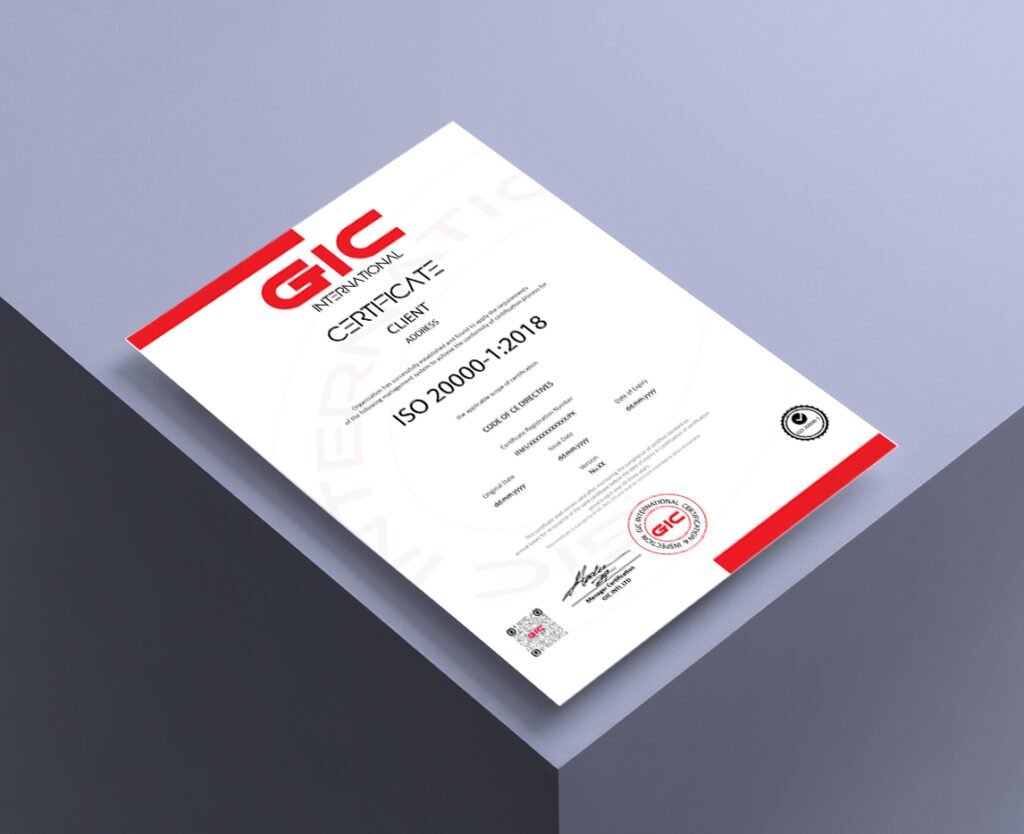
Key Elements of ISO 20000-1
ISO 20000-1 Certification includes several essential elements that organizations must address to implement an effective Service Management System (SMS). These key components are:
- Context of the Organization: Organizations need to identify internal and external factors that can impact the achievement of SMS objectives. This includes understanding the needs and expectations of interested parties, such as customers, suppliers, and regulatory bodies.
- Planning: The standard requires organizations to define SMS objectives and plan strategies to achieve them. This involves evaluating risks and opportunities and preparing for changes to ensure the SMS remains relevant and effective.
- Support and Operation: Organizations must allocate roles and responsibilities, provide necessary resources, and ensure staff competence. This includes establishing, controlling, and managing all service management processes—from service design and development to transition and delivery.
- Performance Evaluation: ISO 20000-1 emphasizes monitoring, measuring, and analyzing the SMS and its processes. Organizations are required to conduct internal audits and management reviews to verify the system’s ongoing effectiveness.
- Improvement: Continuous improvement is a fundamental requirement. Organizations must address nonconformities, implement corrective actions, and enhance service performance to prevent recurrence and drive better outcomes.
Benefits of ISO 20000-1
Enhances Service Quality and Reliability
Standardizes processes to ensure consistent and repeatable IT service delivery.
Minimizes service downtime and accelerates incident resolution times.
Boosts Customer Satisfaction and Trust
Shows a demonstrated commitment to providing high-quality IT services.
Strengthens client and partner relationships while providing a competitive edge.
Ensures Compliance and Mitigates Risks
Supports organizations in meeting contractual and regulatory obligations.
Offers a structured framework to effectively manage service-related risks and liabilities.
Challenges in Implementing ISO 20000-1
Despite its advantages, implementing ISO 20000-1 Certification can pose challenges for organizations. One common obstacle is cultural resistance, as employees may be accustomed to informal or established ways of working. Overcoming this requires clear communication, comprehensive training, and active employee involvement in developing and adopting new processes.
Another challenge is the initial investment of time and resources needed to document processes and establish the Service Management System (SMS). ISO 20000-1 emphasizes continuous improvement, which involves regular audits, reviews, and system updates. Organizations must secure strong management support and allocate adequate resources to maintain a robust, effective, and sustainable SMS.
ISO 20000-1 and Continuous Improvement
Real-World Applications of ISO 20000-1
ISO 20000-1 Certification applies to any organization delivering IT services, whether through an internal IT department or as an external service provider. For instance:
- Managed Service Providers (MSPs): Can leverage the certification to differentiate their services and provide verified proof of service quality to potential clients.
- Financial and Healthcare Institutions: Can ensure critical IT services are reliable, secure, and compliant with industry-specific regulations.
- Small and Medium-Sized Enterprises (SMEs) in Tech: Can use the scalable framework to establish a strong service management foundation, enhancing credibility and enabling access to larger contracts.
ISO 20000-1 Certification is a strategic tool for organizations focused on service excellence and continuous improvement. By adopting this standard, companies can standardize service delivery, enhance customer satisfaction, and achieve a competitive market advantage. While implementation requires dedication, the long-term gains—including improved efficiency, reduced risk, and elevated reputation—far outweigh the initial investment. With GIC International’s expertise, your organization can attain sustainable success and become a leader in IT service management.