
ISO 27001 Information Security Management System (ISMS)
In today’s digital environment, organizations must balance innovation and business growth with strong information security practices. ISO 27001 Certification is an internationally recognized standard for Information Security Management Systems (ISMS) that enables organizations to safeguard sensitive information while meeting legal, contractual, and regulatory obligations. Businesses adopt this standard to demonstrate their commitment to information security, strengthen customer trust, reduce risks, and achieve long-term operational resilience.
“Below you will find more details about ISO 27001, the ISMS standard, which may be of interest to you. To proceed with the certification process, you can partner with GIC International and turn your organizational goals into reality by contacting us.”
Understanding ISO 27001
ISO 27001 Certification offers a structured framework that helps organizations design, implement, and maintain an Information Security Management System aligned with their strategic business goals. Developed by the International Organization for Standardization (ISO), the standard defines the requirements for an ISMS and promotes a risk-based approach to information security. By adopting ISO 27001, organizations can systematically identify, assess, and manage information security risks, safeguard confidential data, and support ongoing business continuity.
ISO 27001 belongs to the ISO/IEC 27000 family of standards, which establishes best-practice guidance for implementing effective information security controls. The core objective of ISO 27001 is to provide organizations with a clear, structured methodology for managing information security responsibilities. Implementing this standard enables organizations to achieve a robust, modern security posture while clearly demonstrating their commitment to protecting sensitive and stakeholder information.
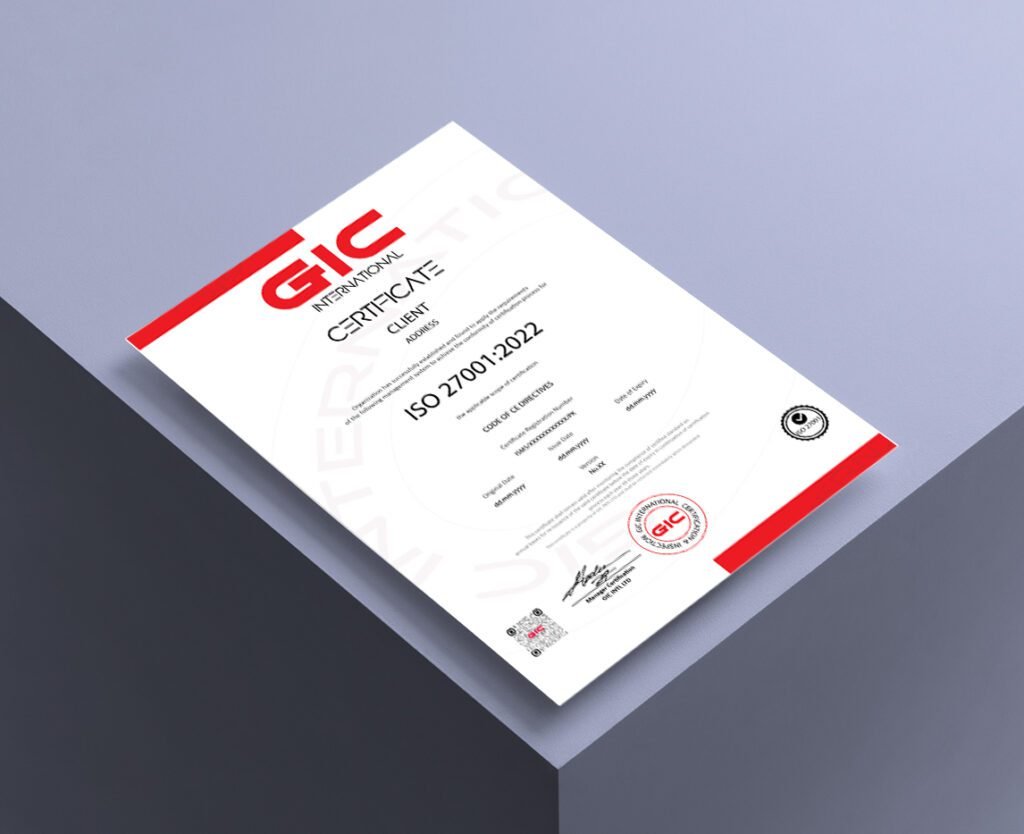
Key Elements of ISO 27001
ISO 27001 includes several critical components that organizations need to address to implement an effective Information Security Management System (ISMS). These components are:
- Context, Leadership, and Planning: Organizations must identify internal and external factors affecting their information security objectives. Top management is required to show leadership and commitment by establishing an information security policy and defining clear, measurable security goals.
- Support and Operation: Organizations must assign responsibilities, provide necessary resources, and ensure personnel are aware of and competent in their information security roles. This stage also includes implementing the processes and controls outlined in the risk treatment plan.
- Risk Assessment and Treatment: A fundamental element of ISO 27001 is establishing a structured process for assessing risks. Organizations must identify, analyze, and evaluate information security risks and then select suitable controls from Annex A to mitigate them.
- Performance Evaluation: ISO 27001 emphasizes the monitoring, measurement, and analysis of ISMS performance. Organizations must conduct internal audits and management reviews regularly to confirm the system remains effective and aligned with objectives.
- Improvement: Organizations are required to address non-conformities through corrective actions. By fostering a culture of continuous improvement, the ISMS can adapt to evolving threats, technological changes, business needs, and emerging risks.
Benefits of ISO 27001 Certification
Systematically Manages Information Security Risks
Provides a structured framework to identify, assess, and mitigate security threats and vulnerabilities.
Safeguards the confidentiality, integrity, and availability of critical information assets.
Enhances Reputation and Builds Trust
Demonstrates a verified commitment to information security for clients, partners, and regulatory authorities.
Offers a strong competitive edge, particularly when bidding for contracts or tenders.
Ensures Compliance with Legal and Regulatory Requirements
Supports adherence to data protection laws (such as GDPR and CCPA), industry standards, and contractual obligations.
Minimizes the risk of financial losses, legal penalties, and reputational harm from data breaches.
Challenges in Implementing ISO 27001
Despite its clear advantages, implementing ISO 27001 can pose challenges for organizations. A common hurdle is the initial complexity of conducting a thorough risk assessment and aligning security controls with identified business risks. To overcome this, organizations should consider expert guidance and adopt a phased approach to implementation.
Another challenge is maintaining ongoing commitment and allocating adequate resources to sustain the ISMS. ISO 27001 demands continuous monitoring and improvement, which includes regular audits, management reviews, and system updates. Organizations must cultivate a security-conscious culture and dedicate sufficient personnel and budget to ensure the ISMS remains effective and adaptive to emerging threats.
ISO 27001 and Continuous Improvement
Continuous improvement is a fundamental principle of ISO 27001 Certification. Organizations embracing this principle can progressively strengthen their information security posture and respond effectively to the evolving cyber threat landscape. This process involves regularly reviewing risks, updating policies and controls, and learning from security incidents to enhance overall security performance.
The Plan-Do-Check-Act (PDCA) cycle forms the core model of ISO 27001, supporting continuous improvement. This iterative approach enables organizations to systematically manage information security risks. By integrating the PDCA cycle into daily operations, organizations can achieve sustained security resilience and drive long-term business excellence.
Real-World Applications of ISO 27001
ISO 27001 is relevant for all sectors that manage information. For instance, financial institutions implement it to safeguard client financial data and ensure regulatory compliance. IT and cloud service providers use it to assure customers that their data is securely hosted. Healthcare organizations apply it to protect sensitive patient health information.
Small and medium-sized enterprises (SMEs) also gain significant advantages from ISO 27001. The standard offers a scalable framework that can be tailored to the specific risks, resources, and operational needs of smaller organizations. For SMEs, achieving certification serves as a strong differentiator, demonstrating that their security practices meet the same high standards as larger corporations.
ISO 27001 Certification is a strategic tool for organizations committed to information security and business resilience. By adopting this standard, companies can systematically protect valuable data, comply with complex regulatory requirements, and secure a competitive advantage. Although implementation can be challenging, the long-term benefits outweigh the initial effort. With leadership commitment and a focus on continuous improvement, organizations can achieve lasting trust and success. Whether you are a large enterprise or a growing business, partnering with GIC International for ISO 27001 can transform your information security practices and position your organization for excellence.